
Embark on a journey through the world of architecture and interior design, where creativity meets functionality. Discover the unique responsibilities of architects and interior designers that shape the spaces we inhabit.
Delve into the educational paths, design processes, and essential tools that define these professions, providing a comprehensive understanding of their craft.
Responsibilities of an Architect and Interior Designer
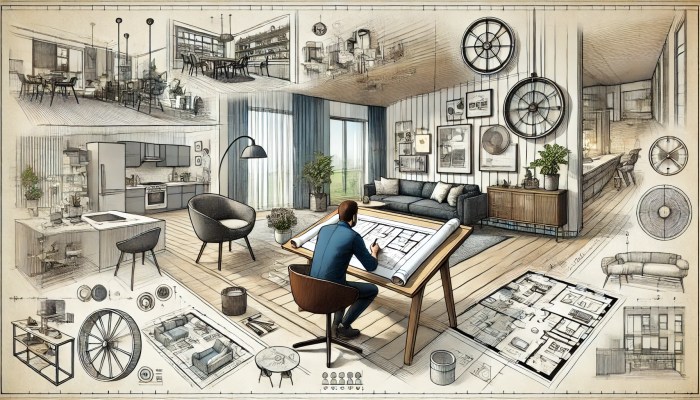
Architects and interior designers play crucial roles in the design and construction of buildings, each with distinct responsibilities that contribute to the overall success of a project. While architects focus on the overall structure and exterior design of a building, interior designers work on creating functional and aesthetically pleasing interior spaces that meet the needs and preferences of the occupants.
Architects
Architects are responsible for designing the overall layout and structure of a building, considering factors such as functionality, safety, and building codes. They work closely with clients to understand their requirements and vision for the project, creating detailed plans and blueprints that guide the construction process.
Architects also oversee the construction phase to ensure that the design is implemented correctly and meets quality standards.
Interior Designers
Interior designers focus on creating interior spaces that are not only visually appealing but also functional and practical. They work with clients to understand their lifestyle, preferences, and budget, selecting furniture, fixtures, and finishes that enhance the overall design. Interior designers pay attention to details such as lighting, color schemes, and space planning to create environments that are comfortable and conducive to the occupants' activities.
Education and Training
To become an architect or interior designer, individuals typically follow a specific educational path that includes obtaining a relevant degree and acquiring hands-on experience through internships or apprenticeships. Specialized training in architecture and interior design plays a crucial role in equipping professionals with the necessary skills to excel in their respective fields.
Architect Education and Training
Architects usually start by completing a Bachelor's degree in Architecture, which provides a foundation in architectural principles, design concepts, and technical skills. Following this, many aspiring architects pursue a Master's degree in Architecture to deepen their knowledge and expertise in specific areas of interest.
Additionally, aspiring architects often participate in internships at architectural firms to gain practical experience and work alongside experienced professionals.
Importance of Specialized Training
Specialized training in architecture is essential as it allows architects to develop expertise in various aspects of the profession, such as building codes, construction techniques, and sustainable design practices. This specialized knowledge enables architects to create innovative and functional designs that meet the needs of clients while adhering to regulatory requirements and industry standards.
Interior Designer Education and Training
Interior designers typically pursue a Bachelor's degree in Interior Design or a related field to acquire foundational knowledge in design principles, space planning, and materials. Many interior designers also choose to obtain a Master's degree to further specialize in areas like lighting design, furniture design, or sustainable design practices.
Hands-on experience is gained through internships or apprenticeships at design firms, where designers work on real-world projects and collaborate with industry professionals.
Acquiring Necessary Skills
Through a combination of formal education and practical experience, architects and interior designers acquire the skills necessary to succeed in their professions. Education provides a theoretical framework and design principles, while hands-on experience allows professionals to apply their knowledge in real-world scenarios and develop problem-solving abilities.
Continuous learning and professional development are also essential for architects and interior designers to stay updated on the latest trends, technologies, and best practices in their respective fields.
Design Process
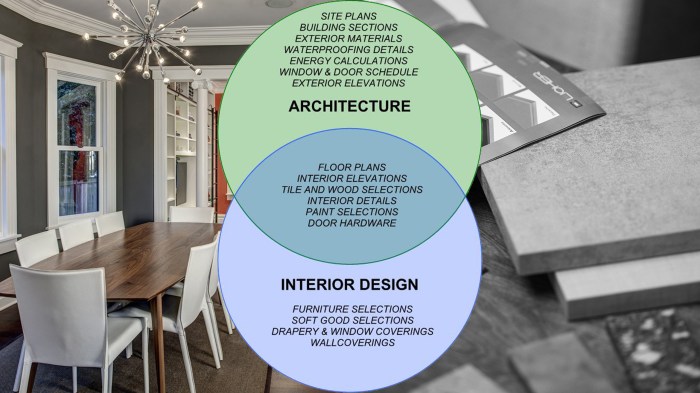
Architects and interior designers follow a detailed design process to bring their visions to life. While architects focus on creating blueprints and floor plans that define the structure of a building, interior designers concentrate on enhancing the aesthetics and functionality of the interior spaces.
Architects’ Design Process
Architects begin by conducting site analysis and understanding the client's requirements. They then create schematic designs, followed by design development where they refine the plans further. Once the design is approved, architects move on to creating construction documents, including detailed drawings and specifications for builders to follow.
Interior Designers’ Design Process
Interior designers start by developing a design concept based on the client's preferences and needs. They then focus on space planning, selecting color schemes, furniture, fixtures, and finishes to create a cohesive look. Interior designers pay attention to every detail to ensure that the space is both visually appealing and functional.
Collaboration between Architects and Interior Designers
Collaboration between architects and interior designers is crucial for a successful design outcome. By working together, they can ensure that the exterior and interior of a building complement each other seamlessly. Architects and interior designers exchange ideas, provide feedback, and make adjustments to create a cohesive design that meets the client's expectations and enhances the overall functionality and aesthetics of the space.
Software and Tools
Architects and interior designers utilize a variety of software and tools to enhance their work efficiency and creativity.
Software for Architects
Architects commonly use software like AutoCAD, SketchUp, and Revit to create detailed architectural drawings, 3D models, and construction plans. These tools allow architects to visualize their designs in a digital format, making it easier to communicate with clients and contractors.
- AutoCAD: Widely used for creating 2D and 3D designs, drafting, and documentation.
- SketchUp: Known for its user-friendly interface and quick 3D modeling capabilities.
- Revit: Specialized BIM software for building information modeling, enabling architects to collaborate on projects and create accurate construction documentation.
Software for Interior Designers
Interior designers rely on tools like Adobe Photoshop and Illustrator to develop mood boards, color schemes, and interior layouts. These software applications help interior designers to experiment with different design elements and present cohesive design concepts to clients.
- Adobe Photoshop: Used for photo editing, creating visual presentations, and enhancing digital images of interior spaces.
- Adobe Illustrator: Ideal for creating vector graphics, logos, and detailed floor plans for interior design projects.
Final Conclusion
In conclusion, the collaboration between architects and interior designers brings dreams to life, transforming visions into tangible realities. Their combined expertise enhances every aspect of a building project, ensuring a harmonious blend of structure and style.
FAQ Summary
What are the main responsibilities of an architect and an interior designer?
Architects focus on the overall structure and exterior design, while interior designers work on interior spaces, emphasizing aesthetics and functionality.
What is the typical educational path to becoming an architect and an interior designer?
Both professions require specialized training in architecture or interior design, usually obtained through a combination of formal education and hands-on experience.
How do architects and interior designers collaborate in the design process?
Architects create blueprints and floor plans, focusing on structural elements, while interior designers enhance the space's aesthetics and functionality, working together to achieve a cohesive design.
What are some essential software and tools used by architects and interior designers?
Architects often use software like AutoCAD, SketchUp, and Revit for designing structures, while interior designers rely on tools like Adobe Photoshop and Illustrator for creating visual concepts and designs.