
Delve into the world of fire resistant siding materials as we explore the various types, benefits, installation, maintenance, and environmental impact of these crucial building components. This guide is designed to provide valuable insights and practical knowledge on the topic, ensuring a fulfilling reading experience for all.
Types of fire-resistant siding materials
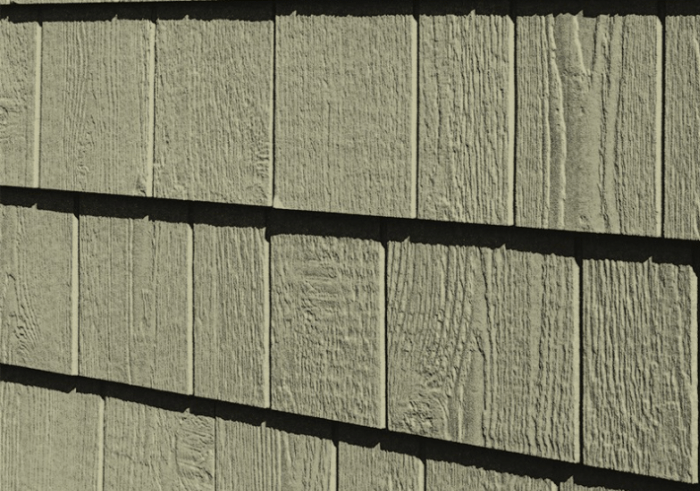
Fire-resistant siding materials play a crucial role in protecting buildings from the spread of fire. There are several types of fire-resistant siding materials available in the market, each with its own unique characteristics and level of effectiveness.
1. Fiber Cement Siding
Fiber cement siding is a popular choice for fire-resistant siding due to its non-combustible nature. Made from a combination of cement, sand, and cellulose fibers, this material can withstand high temperatures and is resistant to flames. Fiber cement siding is commonly used in residential and commercial buildings in areas prone to wildfires.
2. Metal Siding
Metal siding, such as steel or aluminum, is another fire-resistant option for siding materials. Metal siding is non-combustible and can help prevent the spread of fire in the event of a blaze. It is often used in industrial buildings, warehouses, and structures where fire safety is a top priority.
3. Brick and Stone Veneer Siding
Brick and stone veneer siding are natural materials that offer excellent fire resistance. These materials are non-combustible and can provide a beautiful and durable finish to buildings. Brick and stone veneer siding are commonly used in high-end residential construction and architectural projects where fire protection is essential.
4. Stucco Siding
Stucco siding is a fire-resistant material made from cement, sand, and lime. It is a popular choice for siding in regions with hot and dry climates due to its fire-resistant properties. Stucco siding can help protect buildings from the spread of fire and is often used in residential and commercial construction.Each of these fire-resistant siding materials offers different benefits and levels of protection against fire, making them suitable for various applications depending on the specific needs of the building and its location.
Benefits of using fire-resistant siding materials
Fire-resistant siding materials offer numerous advantages when installed on buildings. Not only do they provide added protection against potential fire hazards, but they also contribute significantly to the overall safety of the structure. Let's delve deeper into the benefits of using these materials.
Enhanced safety and protection
Fire-resistant siding materials act as a barrier against flames, reducing the risk of fire spreading throughout the building. By containing fires within a specific area, these materials help minimize damage and provide crucial time for occupants to evacuate safely. This added layer of protection can make a significant difference in emergency situations.
Durability and longevity
In addition to their fire-resistant properties, these siding materials are known for their durability and longevity. They are designed to withstand harsh weather conditions, including extreme heat and cold, ensuring that the structure remains intact over time. This durability not only enhances the overall resilience of the building but also reduces the need for frequent repairs and maintenance, saving both time and money in the long run.
Insurance benefits
Buildings equipped with fire-resistant siding materials may qualify for lower insurance premiums due to the reduced risk of fire damage. Insurance companies often offer discounts for properties that are equipped with safety features like fire-resistant materials, making it a cost-effective investment in the long term.
Installation and maintenance of fire-resistant siding materials
Installing fire-resistant siding materials requires careful attention to detail to ensure optimal performance and protection. It is essential to follow manufacturer guidelines and best practices to guarantee the effectiveness of the siding in case of a fire. Additionally, proper maintenance is crucial to prolong the lifespan of the siding and maintain its fire-resistant properties.
Installation of fire-resistant siding materials
- Ensure that the substrate is properly prepared before installing the fire-resistant siding. This includes repairing any damage and ensuring a smooth surface for installation.
- Follow the manufacturer's instructions for the installation process, including the use of appropriate fasteners and sealants.
- Consider hiring a professional contractor with experience in installing fire-resistant siding materials to ensure proper installation and adherence to safety standards.
Maintenance tips for fire-resistant siding
- Regularly inspect the siding for any signs of damage, such as cracks, warping, or discoloration, and address them promptly to prevent further deterioration.
- Clean the siding periodically to remove dirt, debris, and other contaminants that can affect its fire-resistant properties.
- Avoid using harsh chemicals or abrasive materials when cleaning the siding, as they can damage the surface and compromise its fire-resistant capabilities.
Common challenges in installation and maintenance
- Improper installation can reduce the effectiveness of fire-resistant siding, leading to potential safety hazards in case of a fire.
- Failure to perform regular maintenance can result in the deterioration of the siding's fire-resistant properties over time.
- Extreme weather conditions and exposure to environmental elements can impact the performance of fire-resistant siding materials, requiring additional care and maintenance.
Environmental impact of fire-resistant siding materials
Fire-resistant siding materials play a crucial role not only in protecting buildings from fire but also in reducing their environmental impact. Let's delve into how these materials contribute to a more eco-friendly and sustainable construction industry.
Eco-friendliness of different fire-resistant siding materials
When it comes to eco-friendliness, some fire-resistant siding materials stand out for their sustainable properties. For example, fiber cement siding is made from a mixture of cement, sand, and cellulose fibers, making it a durable and environmentally friendly option. On the other hand, vinyl siding, while fire-resistant, is not as eco-friendly due to its production process and disposal challenges.
Sustainability factors associated with using fire-resistant siding materials
The use of fire-resistant siding materials enhances the sustainability of buildings by increasing their longevity and reducing the need for frequent replacements. This not only decreases the amount of waste generated but also helps conserve natural resources in the long run.
Additionally, some fire-resistant siding materials are recyclable, further reducing their environmental footprint.
Contribution to energy efficiency in buildings
Fire-resistant siding materials can also contribute to energy efficiency in buildings by improving insulation and reducing heat transfer. By maintaining a more stable indoor temperature, these materials help decrease the reliance on heating and cooling systems, ultimately leading to lower energy consumption and reduced greenhouse gas emissions.
This dual benefit of fire resistance and energy efficiency makes these siding materials a sustainable choice for environmentally conscious construction practices.
Conclusion
In conclusion, fire resistant siding materials offer a robust solution for enhancing building safety and durability. By understanding the types, benefits, installation, and environmental impact of these materials, one can make informed decisions to create safer and more sustainable structures.
Dive into the realm of fire resistant siding materials and unlock a world of possibilities for safeguarding your building projects.
Question & Answer Hub
What are the most common types of fire-resistant siding materials?
Common types include fiber cement, stucco, and metal sidings, each offering varying levels of fire resistance.
How do fire-resistant siding materials contribute to building safety?
Fire-resistant siding materials act as a barrier against flames, reducing the risk of fire damage and enhancing overall safety.
Are there any specific maintenance tips for fire-resistant siding materials?
Regular cleaning and inspections can help maintain the integrity and performance of fire-resistant siding materials over time.
Do fire-resistant siding materials have a positive environmental impact?
Many fire-resistant siding materials are eco-friendly and contribute to energy efficiency in buildings, promoting sustainability.