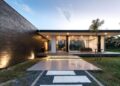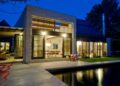
Traditional meets contemporary in hybrid home designs sets the stage for this enthralling narrative, offering readers a glimpse into a story that is rich in detail and brimming with originality. From the seamless integration of traditional elements to the bold infusion of modern influences, these homes represent a harmonious blend of past and present aesthetics.
As we delve deeper into the intricate balance between tradition and innovation, we uncover the artistry behind creating spaces that honor heritage while embracing the future.
Traditional Elements in Hybrid Home Designs
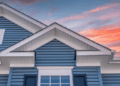
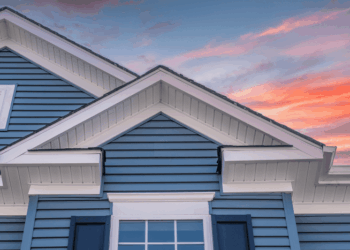
Traditional architectural features are often incorporated into hybrid home designs to add character and charm. Elements such as pitched roofs, dormer windows, and intricate woodwork are commonly seen in these designs. These traditional features help create a sense of history and timelessness in a modern setting.
Key Traditional Architectural Features
- Exposed wooden beams
- Brick or stone accents
- Arched doorways
- Stained glass windows
Blending Traditional Materials with Modern Elements
In hybrid home designs, traditional materials like wood or stone are often combined with modern elements such as glass, steel, or concrete. This fusion of old and new creates a unique aesthetic that pays homage to the past while embracing contemporary design principles.
Adapting Traditional Color Schemes to Contemporary Interiors
Traditional color schemes, like earth tones or muted shades, can be adapted to contemporary interiors by pairing them with bold accents or modern furnishings. This juxtaposition of old and new colors helps create a harmonious balance in the overall design scheme.
Contemporary Influences in Hybrid Home Designs
When it comes to hybrid home designs that blend traditional and contemporary elements, the role of technology plays a significant part in modernizing traditional home layouts. With advancements in smart home systems, energy-efficient appliances, and innovative building materials, homeowners can seamlessly integrate traditional architectural features with modern conveniences.
Role of Technology in Modernizing Traditional Home Layouts
Technology has revolutionized the way traditional home layouts are designed and function. Smart home systems allow for automated control of lighting, heating, and security, enhancing the overall comfort and convenience of the space. Additionally, energy-efficient appliances help reduce utility costs and minimize the environmental impact of the home.
Contemporary Furniture Complementing Traditional Design Elements
- Contemporary furniture pieces can complement traditional design elements by adding a touch of sophistication and modern flair to the space. For example, sleek leather sofas or minimalist dining tables can create a striking contrast against ornate woodwork or antique fixtures.
- By carefully selecting furniture that blends seamlessly with traditional architectural features, homeowners can achieve a harmonious fusion of old and new aesthetics in their hybrid home design.
Use of Sustainable Materials in Creating a Fusion of Traditional and Modern Aesthetics
The use of sustainable materials is becoming increasingly popular in hybrid home designs as homeowners seek to reduce their carbon footprint and promote eco-friendly living. By incorporating materials such as reclaimed wood, bamboo flooring, or recycled glass countertops, designers can create a harmonious fusion of traditional and modern aesthetics that is both beautiful and environmentally conscious.
Functional Spaces in Hybrid Homes
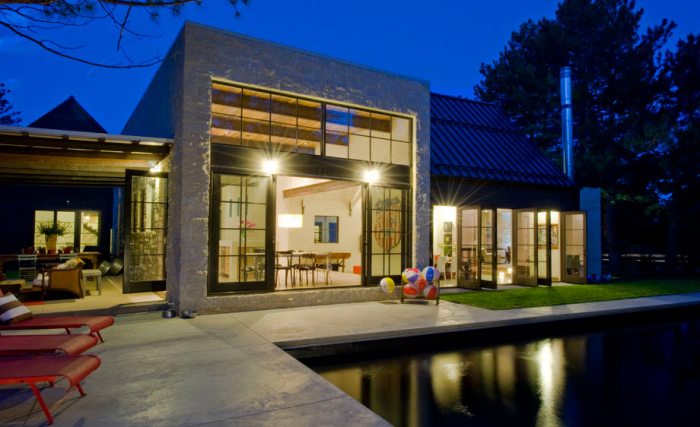
Functional spaces in hybrid homes play a crucial role in blending traditional and contemporary design elements seamlessly.
Comparing Traditional and Contemporary Kitchen Designs
Traditional kitchens often feature intricate details, decorative elements, and rich wood finishes, reflecting a cozy and timeless aesthetic
Integration of Smart Home Technology in Traditional Architectural Settings
The integration of smart home technology in traditional architectural settings involves discreetly incorporating modern devices and systems into the classic design elements. This can include smart thermostats, lighting controls, security systems, and voice-activated assistants seamlessly blending with traditional moldings, woodwork, and architectural features.
The goal is to enhance convenience and comfort without compromising the timeless appeal of the traditional design.
Utilizing Open Floor Plans to Merge Traditional and Contemporary Living Spaces
Open floor plans are a key component in merging traditional and contemporary living spaces in hybrid homes. By removing walls and barriers, open floor plans create a seamless flow between different areas, allowing for flexible use of space and optimal natural light.
This design approach enables traditional architectural elements like exposed beams or brick walls to coexist harmoniously with modern furnishings and decor, resulting in a balanced and cohesive living environment.
Aesthetics and Decor in Hybrid Home Designs
When it comes to hybrid home designs that blend traditional and contemporary styles, the choice of artwork and decor plays a crucial role in bridging the gap between the two aesthetics. By carefully selecting pieces that incorporate elements from both styles, homeowners can create a cohesive and harmonious overall design.
Artwork and Decor Choices
Incorporating artwork and decor that feature a mix of traditional and contemporary elements can help tie the design of a hybrid home together. For example, a traditional painting with a modern frame or a contemporary sculpture displayed on a vintage table can create a visually interesting contrast that adds depth to the space.
Importance of Lighting Design
Lighting design is essential in enhancing the fusion of traditional and modern aesthetics in a hybrid home. By strategically placing different types of lighting fixtures, such as chandeliers, track lighting, and recessed lighting, homeowners can highlight specific design elements and create the right ambiance for the space.
Tips for Balancing Traditional and Contemporary Elements
- Choose a neutral color palette as a base and incorporate pops of color through artwork and decor.
- Mix furniture styles by pairing traditional pieces with contemporary ones to create visual interest.
- Incorporate natural materials like wood and stone to add warmth and texture to the space.
- Use rugs and textiles to add a layer of coziness and tie the different design elements together.
Last Word
In conclusion, the marriage of traditional and contemporary styles in hybrid home designs not only showcases the evolution of architecture but also invites us to reimagine the possibilities of harmonizing the old with the new. Each room tells a unique story, blending history with modernity in a seamless tapestry of design.
Commonly Asked Questions
How are traditional color schemes adapted to contemporary interiors?
Traditional color palettes are modernized by incorporating them in sleek, minimalist spaces with clean lines and contemporary furnishings.
What role does technology play in modernizing traditional home layouts?
Technology introduces smart home features, energy-efficient systems, and automation to enhance the functionality and convenience of traditional layouts.
How can one balance traditional and contemporary elements in a cohesive design?
Achieve balance by selecting a dominant style (traditional or contemporary) and incorporating elements of the contrasting style in moderation to create visual interest without overwhelming the space.